Skip to content

Key Takeaways
A chemical peel for sun damage is a proven cosmetic treatment that exfoliates damaged skin to improve tone, texture, and overall skin health.
Sun damage can cause uneven pigmentation, dark spots, wrinkles, dullness, and collagen breakdown over time.
Chemical peels work by removing dead skin cells from the outermost layers of the skin, stimulating cell turnover and encouraging the growth of fresh, healthy skin.
There are three main types of chemical peels—light, medium, and deep—each designed to address varying levels of sun damage and different skin types.
Superficial peels are ideal for mild sun damage and require minimal downtime, while medium and deep peels target more advanced damage and deeper wrinkles.
In addition to resurfacing the skin, chemical peels also stimulate collagen production, helping to restore firmness and elasticity lost from prolonged sun exposure.
For safe and effective results, it’s important to follow a customized treatment plan developed by a qualified professional, along with consistent sun protection afterward to maintain improvements and protect the newly treated skin.
Intro to Using Chemical Peels for Sun Damage
Sun damage can take a toll on the health and appearance of your skin. It can cause wrinkles, fine lines, hyperpigmentation, and even skin cancer. Although sunscreen can be our ally in fighting off the harmful effects of the sun, it is not always enough. That is where chemical peels come in, to help rejuvenate and restore your skin. Chemical peels are a well-known cosmetic procedure that has been used for decades to treat a variety of skin concerns, including sun damage.
What Are Chemical Peels?
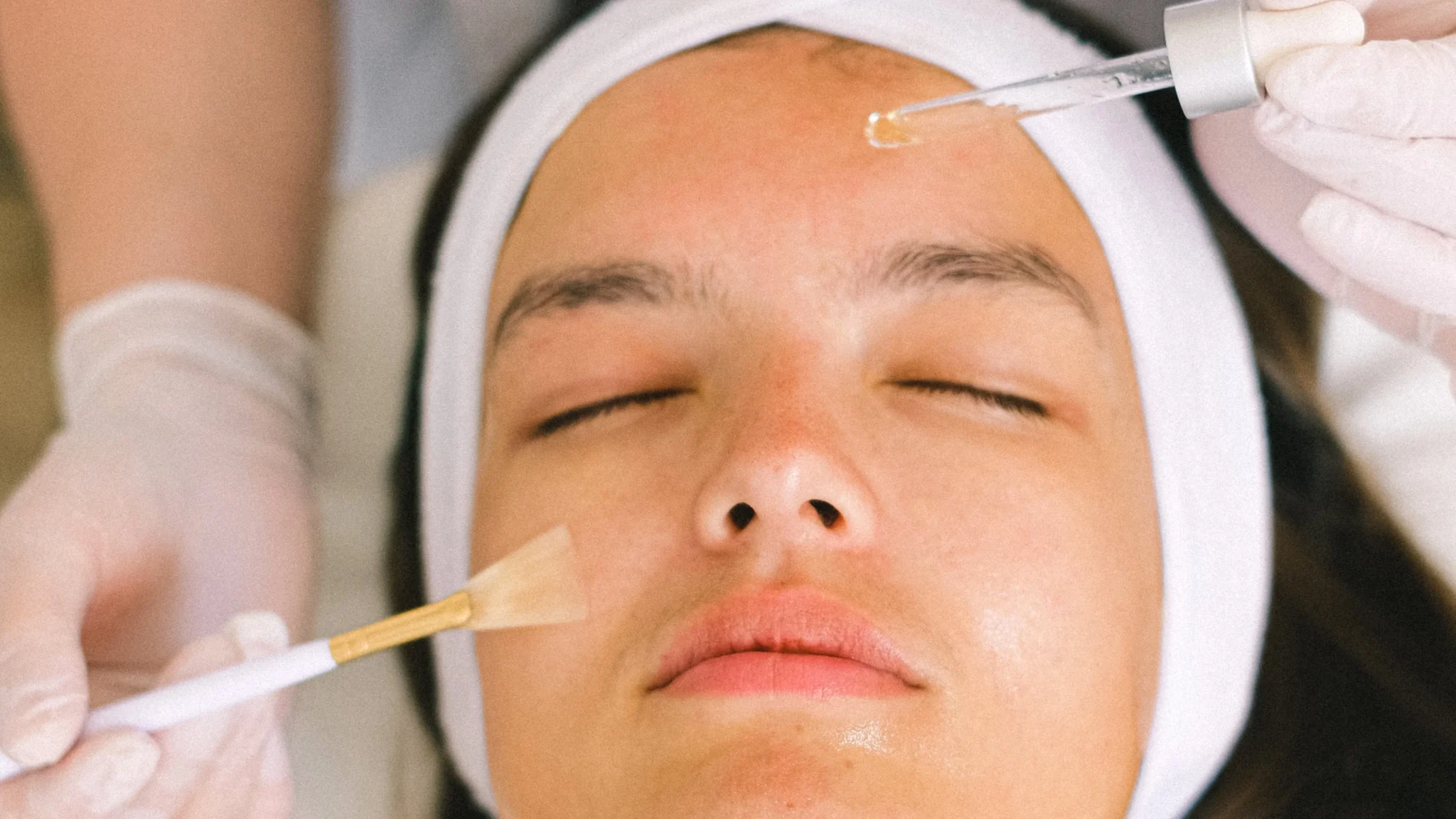
Chemical peels use a solution applied to the skin to exfoliate the damaged outer layer, revealing a fresh layer of skin that is smoother, brighter, and healthier.
The treatment process can vary, depending on the strength of the solution and the depth of the peel. Chemical peels are classified into three categories: superficial peels, medium peels, and deep peels. Sun damage can be treated with all three types of peels, but the doctor will recommend one that is suitable for your skin type and specific condition.
We provide more information about chemical peel types below, but also consider reading this article to learn more about the 3 main types of chemical peels.
Chemical Peels for Sun Damage
Chemical peels are a safe and effective way to tackle sun damage. Whether you have mild or severe sun damage, there is a type of chemical peel that can restore your skin’s health and beauty.
Chemical peels can also promote collagen production, which is essential for firm and youthful-looking skin. But sun exposure can cause collagen to break down, leading to skin sagging and wrinkle formation. By stimulating collagen growth, chemical peels can restore elasticity to the skin and improve the appearance of fine lines and wrinkles.
The procedure is relatively painless, and the results can be visible as early as the first treatment. However, it is essential to choose a qualified and experienced professional to perform the treatment.
Your provider can recommend the type of peel that is most suitable for your skin condition and guide you through the recovery process. With chemical peels, you can take a step towards radiant and youthful skin.
Types of Chemical Peels for Sun Damage
Superficial peels are the mildest and can improve minor sun damage, uneven skin tone, and mild acne scarring. They use gentle acids, such as alpha-hydroxy acids or beta-hydroxy acids, and take about 20 minutes to complete. They have little to no downtime and are safe for all skin types.
Medium peels use trichloroacetic acid and can address moderate sun damage, deeper wrinkles, and acne scars. They take about an hour to perform, and recovery can take up to a week.
Deep peels use phenol, and they can treat severe sun damage, deep wrinkles, and even pre-cancerous growths. They take several hours to complete and require a longer recovery period.
Beyond Sun Damage Repair: Additional Benefits of Chemical Peels
Apart from treating sun damage, chemical peels can also address other skin concerns, such as acne, acne scars, melasma, and age spots. They are versatile and can be customized to target specific skin concerns, depending on the patient’s needs.
Conclusion
Sun damage is a cumulative process that can significantly affect skin tone, texture, and long-term skin health. While sunscreen plays a critical preventive role, it cannot reverse damage that has already occurred.
A chemical peel for sun damage offers a clinically proven way to address these changes by exfoliating damaged skin, stimulating collagen production, and encouraging healthy cell turnover.
With options ranging from light to deep peels, chemical peels can be customized to match the severity of sun damage, skin type, and individual goals.
When performed by a qualified provider and paired with proper aftercare and sun protection, chemical peels can restore brightness, improve elasticity, and support a more youthful, even complexion.
For those looking to repair sun-damaged skin and maintain long-term skin health, chemical peels remain a versatile and effective treatment option.
Find Chemical Peels for Sub Damage Repair Near You
If you reside in Johnson City, TN, Fall Branch, TN, Gray, TN, and surrounding areas like Oak Grove, TN, Bluff City, TN, Piney Flats, TN, Banner Elk, NC, or Boone, NC, you can find chemical peels for sub damage repair near you at Prime MD in Johnson City, TN.
For residents of Raleigh, NC, Fuquay Varina, NC, Holly Springs, NC, Cary, NC, Apex, NC, Morrisville, NC Rolesville, NC, Youngsville, NC, or Wake Forest, NC, you can find chemical peels for sub damage repair near you at Prime MD in Raleigh, NC, or at Prime MD in Rolesville, NC.
Contact Prime MD Aesthetics & Wellness to schedule your personalized medical aesthetics consultation today. For more information, visit our About US page or FAQs.
📞 North Carolina: Call us at (919) 948-6355
📞 Tennessee: Call us at (423) 430-8323
🌐 Or visit us at primemdcenter.com
FAQs
What is a chemical peel for sun damage?
A chemical peel for sun damage is a cosmetic treatment that uses a chemical solution to exfoliate sun-damaged skin, revealing smoother, brighter, healthier-looking skin underneath.
Chemical peels use controlled acids to remove damaged skin layers and stimulate cellular turnover, effectively lifting away pigmented cells. This process helps normalize melanin production in treated areas, reducing the likelihood of future hyperpigmentation and resulting in a more uniform skin tone.
How do chemical peels treat sun-damaged skin?
Chemical peels remove the damaged outer layer of skin caused by UV exposure. This controlled injury stimulates cell turnover and collagen production, improving skin texture and tone.
What types of chemical peels are used for sun damage?
Sun damage can be treated with a light chemical peel, which is a very superficial treatment that usually involves using alpha hydroxy acids (AHAs) such as glycolic acid or salicylic acid. For more significant sun damage, a medium chemical peel is slightly stronger than a light chemical peel and usually uses trichloroacetic acid (TCA). A deep chemical peel is the strongest type of chemical peel available and uses phenol acid; however, deep chemical peels are not recommended for those with darker skin tones due to the risk of permanent changes to the skin.
Are chemical peels safe for all skin types?
Many chemical peels can be safely customized for different skin types, but deeper peels may not be suitable for everyone. A professional consultation is required to determine the safest option.
How much downtime is involved?
Light chemical peels typically involve little to no downtime and require minimal downtime, making them a convenient option for those seeking effective treatment with less disruption to their routines. Medium peels may require several days of recovery, while deep chemical peels involve longer healing periods.
Can chemical peels help with dark spots and uneven skin tone?
Yes. Chemical peels are effective for improving uneven skin tone, sun spots, age spots, and post-inflammatory hyperpigmentation caused by sun damage.
How soon will I see results?
Many patients notice brighter, smoother skin after the first treatment, with continued improvement as new skin cells develop and collagen production increases.
Do I still need sun protection after a chemical peel?
Absolutely. Treated skin is more sensitive to UV rays. Consistent sun protection is essential to prevent further damage and maintain results.